Pet Photography:
How to Take Great Dog Pictures
There are many reasons why you may need good quality photographs of your pet: to advertise your pedigreed dog (for stud service, on your kennel's website, etc.), to have its portrait painted or to hang its photo on the wall along with the other family portraits.

To get good photos worthy of framing  you may seek a professional photographer, but you may also seek expertise advice in books and take these beautiful pictures yourself.

While hundreds of books have been written on photography, yet only a handful of these have addressed canine or pet photography specifically. The concerns of the dog or pet photographer are rather specific. Coat color and texture need special attention. The dog's expression is determined by the eyes and body forms, but also, which is often forgotten, by the ears (which, depending on the breed, should be 'up') and nose (which should be wet). The dog photographer has to know his subject well, i.e. have a thorough knowledge of the breeds and know that photographing a Bulldog is not the same as photographing a German Shepherd. Good planning, anticipating problems and insider-tips are the most important parts of getting great pictures of your dog.

Canine photography is really a mix of plan and accident. You have to plan the general composition of the photo, find a good background, choose the type of lighting (sunlight, flash, artificial lighting and available light), determine the correct exposure, shutter speed and aperture. The final pose of the animal and especially its expression will often be unpredictable. However, you can influence these elements by, for example, your own positioning, the correct use of flash and the help of props (like toys and treats).

Once you understand the art of taking perfect pet photographs you may decide to start your own home-based pet photography business. The following books provide expert advice along with tested techniques for getting a dog to look in a specific direction, capturing a variety of expressions, exposing detail in all-white or all-black fur, avoiding dog red-eye, choosing shutter speeds and much more. They also explain no-fail lighting, equipment, and "getting acquainted" tips to help you capture the best possible results. Finally, we have also selected a couple of books covering the aspects of setting up and running a thriving home-based photography business.

Creatvie Canine Photography
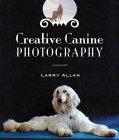
Creative Canine Photography
by Larry Allan
Paperback: 144 pages. Publisher: Allworth Press (February 1, 2004)
Creative Canine Photography is an expert guide with plenty of practical tips to successful canine photography from capturing expressions and using correct lighting to avoiding red-eye and getting detailed exposures for all-white or all-black fur. It contains expert advice along with how-to photos to guide you and provides tested techniques for choosing shutter speeds for stop-action effects, getting a dog to look in a specific direction, capturing a variety of expressions, equipment and much more. More information:
.
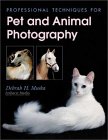
Professional Techniques for Pet and Animal Photography
by Debrah Muska.
Paperback: 128 p. Publisher: Amherst Media (2003)
This guide is intended both for existing animal photographers and newcomers looking to diversify their portrait business. Discusses the personality traits best suited to the business, ways to create a people- and animal-friendly studio, through the selection of decor, backdrops, furnishings, and props.
Technical advice includes which lenses and cameras lend themselves to animal portraiture, the advantages of shooting digitally, and the best shutter speeds and apertures for the job. Special techniques for working with dogs, cats, horses, birds, ferrets, reptiles, and other creatures are provided, including how to get the best expressions from pets with attention-getters suited to each type of pet. More information:
Pet and Animal Photography
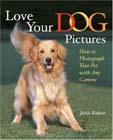
Love Your Dog Pictures: How to Photograph Your Pet with Any Camera by Jenni Bidner
Paperback: 143 pages.
Publisher: Watson-Guptill Publications (June 30, 2006)

Author Jenni Bidner, a professional photographer and rescue-dog owner/trainer, covers photography basics like equipment, exposure, and composition, and explains  how to capture the charm, personality, and good looks of any dog.
Special tips on photographing puppies, black dogs and white dogs, and show dogs. Also includes ideas on making money as a pet photographer, creating scrapbooks and cards, and sending digital dogs over the Web make this book as essential as paper training. More information:
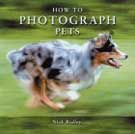
How to Photograph Pets
by Nick Ridley
Hardcover: 157 pages
Publisher: Guild of Master Craftsman Publications (April 1, 2003)

A well designed book for readers with no prior knowledge about photography and who do not necessarily want to invest in expensive equipment.  Contains helpful tips about everything from a particularly helpful explanation of cats' and dogs' body language to choosing a suitable background and catching the animal in motion, composition and lighting. Smaller pets, like gerbils and hamsters, are also included.  More information:
 
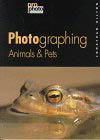
Photographing Animals & Pets (Pro-Photo Series)
by Jonathan Hilton
Paperback: 160 pages. Publisher: RotoVision (May 1, 1998)
This book provides excellent details and examples of how to photograph pets (and exotic animals). The author provides tips on composition, lighting, equipment, etc. More information:


.
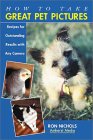
How to Take Great Pet Pictures: Recipes for Outstanding Results With Any Camera by Ron Nichols
Paperback: 79 pages Publisher: Amherst Media (November 1, 2001)
This book lays the foundation for taking fantastic pet photos, from covering all the basics (choosing a camera, deciding between color and black and white film) to explaining various aspects of animal behavior and reasons why animals are difficult to photograph. Also covered are techniques for composing pet portraits, incorporating a person into the picture, taking pictures of exotic animals, etc. More information:


.
.
.
.
Home
Recommended Books for Dog Owners
The Canine Information Library 2003-2008 © All rights reserved.
Original idea, design and development by C. Marien-de Luca. No part of bulldoginformation.com may be copied, distributed, printed or reproduced on another website without the owner's written permission. Please feel free to link from your site to any of the pages on this website in a non-frame presentation only.
Subsections: Guard dogs | Bull and Terriers | Livestock guard dogs | Terriers
| Dog articles | Designer dogs | Hunting dogs | Dog breeds per country |
Sister websites: Puginformation.org and FunnyFlatFaces.com
| More Dog breedsSitemap |
More Dog Breeds: Bulldog breeds | Molosser dogs | Dog breeds A to Z
| Cute puppies | Dog articles | Dog Magazines |
About Bulldoginformation.com: Sitemap | About us | Copyright | Contact
Recommended Reading
Bulldog breeds
Dog breeds A to Z
Molosser breeds
Guard dogs
Japanese dogs
Best dogs for families with children
Bull and Terriers
Sled dogs
Hairless dogs
Toy dogs
Dog and Pet Photography
Tips and Books
caninebreeds.bulldoginformation.com
Creatvie Canine Photography
Pet and Animal Photography
Creative Canine Photography
by Larry Allan

An expert guide with how-to photos and tested techniques for capturing expressions and getting a dog to look in a specific direction, using correct lighting and shutter speeds for stop-action effects.
.
more information:
Professional Techniques for Pet and Animal Photography
by Debrah Muska
more information:
Love Your Dog Pictures:
How to Photograph Your Pet with Any Camera

by Jenni Bidner
More information:
Dog Breeds Home > Dog books > Dog photography
How to Take Great Pet Pictures
How to Photograph Pets
Photographing Animals and Pets
Profitable Photography
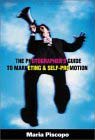
The Photographer's Guide to Marketing and Self-Promotion
by Maria Piscopo.
Photographers, whether beginners or seasoned professionals, need new guidance to face the changed landscape of their industry and re-evaluate their strategies. The author Maria Piscopo explains how to define the type of work you do, research different categories of clients, and persuade them to hire you. She deals with the nitty-gritty of portfolio presentation (how much do you show?), writing the selling "script" (what do you say and how do you tailor it to your audience?), and negotiating costs. Other chapters discuss how to work with a rep and a marketing coordinator. Throughout the book, first-person accounts by successful photographers add practical details.
More information:
Photography for Dummies
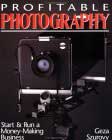
Profitable Photography:
Start and Run a Money-Making Businessby Geza Szurovy
More information:


.
Photography for Dummies, Second Edition
by Russell Hart
More information:
bulldog information