A Guide to Inherited and Congenital Diseases in Bulldogs, including
Genetic Predisposition to Diseases
Bulldog Information 2003-2007 © All rights reserved by The Bulldog Information Library 
A number of conditions or defects may be passed genetically from one generation to the next.  Genetic inheritance is quite complicated; a dog can carry a defect without its ever becoming physically apparent and nevertheless pass the defect to his offspring in whom it may manifest itself.  All breeds of dogs have conditions that are common to their particular breed, and the bulldog is no different. Many conditions are in direct relation to the characteristics considered desirable in the breed.
Follows a list of the existing congenital and hereditary diseases found in bulldogs and a description of other common conditions that are thought to be genetic in origin because they appear with higher-than-expected frequency in certain breeds.
Skin Conditions

Acne: same thing as in humans, affects the muzzle and lip areas.

Fold dermatitis: An infection of the facial skin folds caused by unusual or excessive skin folds, especially in dogs with loose skin. Bulldogs are especially susceptible in the fac and tail areas.

Folliculitis: an infection of the hair follicles.
 
Furunculosis: an infection of the deeper structures of the skin.

Muzzle pyoderma: an infectious skin disease on the muzzle of an animal.
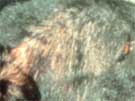
a kind of skin disease (mange) caused by microscopic Demodex canis mites living within the skin layers and producing an immunodeficiency syndrome.
Some dogs appear to be genetically predisposed to it while others do not contract it even though exposed to infected animals.
Demodicosis or Demodectic mange:
Tail fold dermatitis: a skin infection caused by abnormal tissue folds around the tail.
Eye Conditions

For Cataract, Distichiasis, entropion and ectropion and other congenital eye conditions in the dog see our separate article.
For Eversion of nictitating membrane, see our separate article about cherry eye.
Mouth and Teeth

Abnormal dentition: abnormal placement, number and development of teeth.
Bone Structure

Hemivertebra: a particular kind of malformation of the vertebra where only half of the structure is formed.

Hip dysplasia: a developmental malformation or subluxation of the hip joints. Read more about Hip dysplasia in dogs.

Spina bifida: a developmental abnormality where some vetebra are malformed thereby exposing the spinal cord.
Respiratory system

Brachycephalic Upper-Airway Syndrome: a grouping of conditions leading to decreased tolerance to exercise, excitement, high temps, and caused by compressed or narrowed air passages, which are typical of the brachycepahlic dog breeds. The signs of brachycephalic airway syndrome include noisy or open-mouth breathing, snoring, panting, exercise intolerance, vomiting, and difficulty eating. An exaggerated movement of the animal's abdomen during respiration is seen commonly in more severely affected animals.

Hypoplasia of trachea: a trachea that fails to develop fully.


Cardiovascular system and blood conditions

Mitral valve defects: a group of abnormalities of the mitral valve of the heart.

Arteriovenous fistula: an abnormal connection that forms between arteries and veins.

Pulmonic stenosis: a condition where one of the valves of the heart does not open properly.

von Willebrand's disease: a type of bleeding disorder caused by defective blood platelet function. Occurs in 59 dog breeds but most often in Doberman pinschers. An autosomal trait affecting both sexes.


Reproduction

Dystocia: complications of the birth process (difficult birth).


Vaginal hyperplasia: an overgrowth of tissues of the vagina.
Cleft lip, also called 'Harelip': a condition where the two halves of the upper lip do not join together. Cleft palate and cleft lip are often seen together.

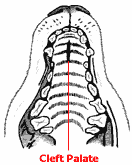
Cleft palate: a condition where the roof of the mouth is not closed and the inside of the nose opens into the mouth.

Elongated soft palate: the soft palate is abnormally long and causes breathing disorders. See: elongated soft palate
bulldog information
Dog Breeds
Home > Articles > Bulldog Health > Hereditary defects in Bulldogs
Site Information
 Site Map
Copyright & Credits
Contact
Goodies
 Music for Bulldogs
Cute & fun photos
Bulldog Names
Bulldog Gift Ideas
Bulldog Supplies
Bulldog Memorabilia
Related Books
History of the dog
Recommended Books
 Bulldog Books
Dog breeding
Canine genetics
Puppy raising & training
Dog behavior
Dog Aggression
Dog showing
Kennel management
Housebreaking a puppy
Dog nutrition
Dog heroes
.

.

.
.
The Bulldog Information Library 2003-2007 © All rights reserved.
Original idea, design and development by C. Marien-de Luca. No part of bulldoginformation.com may be copied, distributed, printed or reproduced on another website without the owner's written permission. Please feel free to link from your site to any of the pages on this website in a non-frame presentation only.

Subsections: Bulldog books | Bulldog History | Feeding your Bulldog
| Traveling with your Bulldog | Puppy Tips | Bulldog Mascots | Bulldog Health Tips |
Sister websites: Puginformation.org and FunnyFlatFaces.com
About Bulldoginformation.com: Sitemap | About us | Copyright | Contact
Other Short Faced Dogs: Pug | French Bulldog | Boston Terrier
 
Home
Recommended Food for Bulldogs
Bulldog Health
Everyday Care of Your Bulldog
Bulldog Costumes
Bulldog Books
Traveling Tips for Bulldog Owners
Puppy Tips
Tips for Bulldog Breeders
Fun Bulldog Stuff
Recommended Books for Dog Owners
History and Origins of the Bulldog
| More Dog breedsSitemap |
| Cute puppies | Dogs in Art | English Bulldog puppies | Dog magazines |
Dog Owner's Home Veterinary Handbook
by James M. Giffin, Liisa D. Carlson
More information:
The Veterinarians' Guide to Your Dog's Symptoms
by Michael S. DVM GARVEY
More information:
UC Davis Book of Dogs :
The Complete Medical Reference Guide for Dogs and Puppies
by Mordecai Siegal
More information:
More Dog Breeds: Bulldog breeds | Molosser dogs | Dog breeds A to Z
Bulldog and Terrier Breeds | Guard Dogs
Demodicosis
Cleft palate
Source: Peteducation.com
Dr. Race Foster
& Dr. Marty Smith
Other congenital and hereditary conditions and diseases in dogs: