The Nordic group of dog breeds refers to the group of dogs originated from the Nordic countries, a term used collectively for the five countries in Northern Europe, namely Scandinavia (Denmark, Norway, Sweden) with Finland and Iceland. In addition, the following autonomous territories are associated with the term Nordic countries: Åland (Finland), Faroe Islands (Denmark), Greenland (Denmark). These dogs may or may not be of the Spitz type, the term "Nordic" referring to their country of origin, not to their type. There is some overlapping between the two groups, the Northern group being the larger one (including also breeds from other Northern countries and territories such as Alaska and Eurasia). Reversely, the Nordic group also includes dog breeds, which lay outside the Northern group or Spitz group, such as scenthounds, pointing dogs, and molossers.
Nordic spitz dogs, the true descendants of the Viking hunting and herding dogs, are generally divided into three categories; elkhounds (for hunting moose, reindeer, deer and bear), birdhounds and herding dogs. Most existing Scandinavian and baltic spitz dogs descend from the Lapphunds.
Finland
Finnish Lapphund (Suomenlapinkoira), used by the Sámi people as reindeer-herding dogs. Breeders in Sweden and Finland independently undertook to preserve the species, resulting in two slightly different types. The Swedes favored solid black or dark colors, while the Finns selected for patterned coats. The FCI recognized both types.
Finnish Spitz (Suomenpystykorva)
Finnish Hound (Suomenajokoira)
Karelian Bear Dog (Karjalankarhukoira), also known as Karjalankarhukoira in Finland or Bjornhund in Sweden. Originally, the Karelian Bear Dog was mainly used for hunting squirrels, marten, moose, lynx, wolves and bears. Today, Karelian Bear Dogs are being used for controlling bears in National Parks and modifying the behavior of problem bears that come into conflict with people.
Lapponian Reindeer Herder (lapinporokoïra, lapland reindeer dog), a breed deliberatly created by crossing the Finnish Lapphund, the German Shepherd Dog and working Collies, to combine the hardiness of the northern spitz breeds with the excellent manoeuvring skills of the typical sheepdog.
Norway
Norwegian Buhund (Norsk Buhund) : a typical middle-sized spitz dog with a courageous, energetic character.
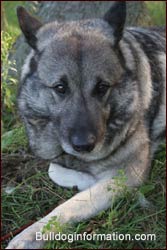
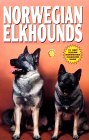
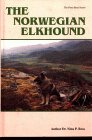
Norwegian Elkhound (Norsk Elghund): Elghund literally means 'moose-dog'. The Elghund descends from the Torvmosehund or Swamp Dog, bred by the ancient Danes.
Lundehund: the most ancient of the Nordic dog breeds. The Norwegian Lundehund originated from the Lofoten Islands off the northwest coast of Norway. Scientific research indicates that the breed has been in existence since before the last Ice Age and probably a descends from the primeval dog, Canis forus, rather than the domesticated dog breeds, Canis familiaris. Its name means "puffin-dog" after the dog's talent for hunting and catching puffin birds (seabirds). Their strange anatomical features make them perfectly adapted to climb cliff pathways and manoeuver in the narrow crevices in pursuit of their prey. They have six fully developed toes on each foot providing them an improved grip when climbing; they can close their ear canals by folding over their ears; their head bends 180 degrees backwards over their shoulders and their extremely flexible forelegs can be stretched straight to the side.
Hygenhund (Hygen Hound, Hygenstövare): the first part of the name Hygen refers to the breeder considered the creator of the breed.
Haldenstøvare (Halden Hound)
Norwegian Hound (Dunker)
Sweden
Jämthund (Swedish Elkhound), the national dog of Sweden, eponymous to Jämtland, a province of northern Sweden. Jämthunds have been companion and working dogs of Swedes since the end of the last ice age. They are used for hunting and sled pulling. They are also the National Dog of Sweden Swedish Marines and Air Force's official service canine.
Norbotten Spitz (Norbottenspets)
Swedish Lapphund: The swedish counterpart of the Finnish Lapphund, a reindeer-herding dog, today more often found as a companion dog.
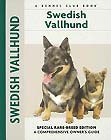
Swedish Vallhund (Västgötaspets): considered a native Swedish breed, although some similarities with the Welsh Corgi can't be denied.
Småland Hound (Smålandsstövare)
Hamiltonstövare (Hamilton Hound)
Swedish Dachsbracke (Drever)
Swedish Molosser (Swedish Mastiff, Dalbo-Dog) (extinct)
Danemark
Old Danish Pointing Dog (Gammel Dansk Hønsehund)
Danish Broholmer
Old Danish Bird Dog
Hertha Pointer
Greenland
Greenland Dog (Grønlandshund)
Iceland
Iceland Sheepdog: a very close relative to the Norwegian Buhund and descendant of the dogs brought by the Celtic and Nordic immigrants
Other
Scandinavian Hound (crossbreed between Alaskan Husky and german or english shorthaired pointer)